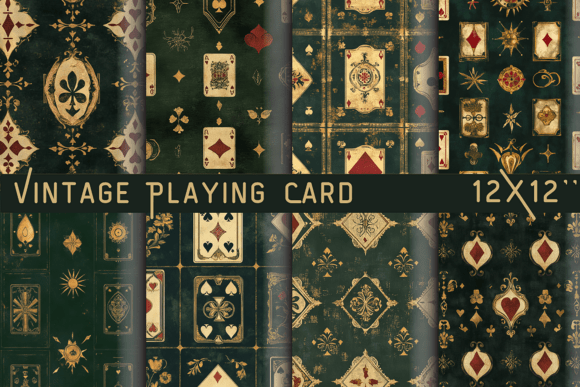
Vintage Playing Card Wallpaper: A Designer’s Guide to Antique Casino Aesthetics for Modern Projects
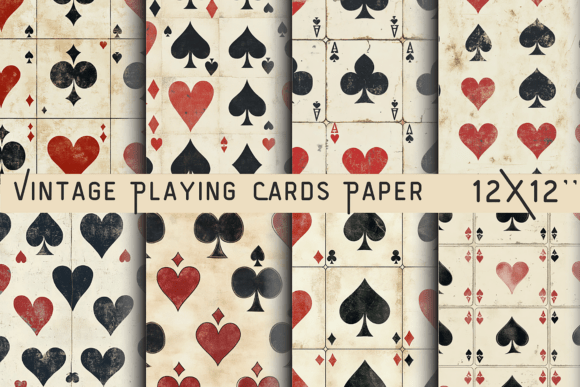
There is something undeniably magnetic about the worn edges of an old playing card. The faded reds, the sepia-toned backs, the gilded borders that have softened with age—these elements carry a story. For designers, crafters, and content creators, capturing that specific antique gaming atmosphere has often required hours of distressing, scanning, and color correction. That is precisely where a high-quality Vintage Playing Card Wallpaper collection changes the workflow. Whether you are building a scrapbook page, designing a casino-themed invitation, or layering textures for a digital collage, having a dedicated set of 12-by-12-inch, 300 DPI designs at your fingertips eliminates the guesswork and delivers a consistent vintage aesthetic from the very first click.
This article explores the qualities that define an exceptional vintage card wallpaper pack, how these designs function across different media, and why they have become a staple resource for stationery designers, junk journal enthusiasts, and anyone drawn to the timeless appeal of antique casino imagery.
The Core Qualities of a Premium Vintage Playing Card Wallpaper Collection
Not all digital wallpaper packs are created equal. When you invest in a set of twelve high-resolution designs, you are looking for more than just a few distressed card faces. A well-curated Vintage Playing Card Wallpaper collection delivers a cohesive visual language rooted in historical accuracy and practical versatility. The palette alone—faded red, sepia brown, antique cream, charcoal black, and gold accent—immediately sets a nostalgic tone. These colors evoke the patina of a deck that has been shuffled in smoky parlors and handled for decades.
What truly distinguishes a professional pack is the attention to detail in the textures. The best designs incorporate actual paper grain, subtle staining, and worn edges that mimic the passage of time. When you combine that with ornate card borders and classic casino elements like spades, diamonds, and filigree flourishes, you get backgrounds that feel authentic rather than artificially aged. The Vintage Playing Card Wallpaper digital pack described here includes all these features, making it a complete toolkit for anyone seeking an antique gambling or game-night aesthetic.
Another critical factor is the file format and resolution. PNG files with opaque, non-transparent backgrounds mean you get a solid base for printing or compositing. At 3600 × 3600 pixels and 300 DPI, each page delivers crisp, professional print quality. File sizes between 8 and 18 MB per page indicate a high level of detail without being unwieldy for most modern computers and printers.
How Vintage Card Wallpapers Function Across Different Project Types
One of the most compelling aspects of a versatile wallpaper pack is its ability to serve multiple creative disciplines. Let us consider how these designs fit into actual workflows.
Digital Collage and Ephemera Design
For digital artists who build layered compositions, the opaque backgrounds in this collection are a hidden advantage. Because the designs are not transparent, they can be used as authentic paper layers in software like Photoshop, Procreate, or Affinity. You can overlay text, clip images to the card shapes, or blend them with other textures using layer modes. The high resolution means you can zoom into details—gold accents, card edges, faded ink—without losing clarity. A Vintage Playing Card Wallpaper piece becomes a foundational layer that grounds an entire composition in a specific historical period.
Junk Journals and Scrapbooking
Junk journaling has surged in popularity precisely because it values the tactile and the aged. Crafters print these designs onto matte cardstock, cut them to size, and use them as pocket pages, tuck spots, or decorative inserts. The 12 x 12 inch format is ideal because it fits standard scrapbooking paper trimmers and album sleeves. You can also reduce the scale to create mini ephemera cards, tags, or bookmarks. The sepia and charcoal tones pair beautifully with other vintage elements like lace, postage stamps, and botanical prints.
Casino-Themed Party Invitations and Stationery
Planning a poker night, a Roaring Twenties gala, or a casino fundraiser? The ornate card borders and bold typography-friendly backgrounds in this set allow you to create cohesive stationery suites. Use a faded red and gold accent design for the main invitation, then repeat a sepia or charcoal variant for RSVP cards and envelopes. Because the designs are uniform in size and resolution, you can layout a full invitation suite on a single 12 x 12 sheet, minimizing waste and ensuring color consistency.
Planner Inserts and DIY Paper Projects
Paper planners benefit from thematic inserts. A vintage card wallpaper can be printed as a dashboard page, a divider, or a decorative weekly spread. The aged paper textures provide a rich backdrop for handwritten notes or printed schedules. For DIY paper projects like gift tags, book covers, or card decks, these designs eliminate the need to distress your own paper with tea or sandpaper. You achieve the same worn-in look in seconds.
Color Palette and Its Practical Impact on Design Decisions
The color palette of this particular pack—faded red, sepia brown, antique cream, charcoal black, and gold accent—is not arbitrary. It is drawn directly from the physical history of playing cards. Nineteenth-century decks often featured deep reds and blacks with gold embossing, but over time, the colors softened and yellowed. By replicating these tones, the Vintage Playing Card Wallpaper collection allows designers to evoke authenticity without needing to manually desaturate or tint their own images.
This palette also offers excellent contrast for layering. Antique cream backgrounds with charcoal black card elements provide strong readability for text overlays. Faded red and gold combinations work well as accent borders or headers. Sepia brown serves as a neutral mid-tone that bridges darker and lighter elements. When you are building a multi-page project, these five colors give you enough variety to create visual interest while maintaining a unified vintage theme. You are not forced to hunt for complementary colors elsewhere; the pack itself provides a complete system.
Resolution, DPI, and Print Considerations You Should Know
A common question among crafters and designers is whether a digital wallpaper pack can truly deliver professional print results. The specifications here answer that clearly. 3600 × 3600 pixels at 300 DPI translates to a physical print size of 12 × 12 inches at optimal quality. This is the standard for scrapbooking and cardmaking. If you need smaller prints—say, 6 × 6 inches for a journal page—you can scale down without losing sharpness. The 300 DPI ensures that fine details, especially the gold accents and ornate borders, remain crisp even when examined closely.
File sizes between 8 and 18 MB per page indicate that the images contain substantial detail. This is important when you are printing on textured paper or using a home inkjet printer, as lower-resolution files often appear pixelated or blurry. The PNG format also preserves the integrity of the color and detail, unlike JPEG which can introduce compression artifacts. For anyone who has been disappointed by a pixelated printed background, this pack offers a reliable solution.
Practical Project Ideas: Bringing the Collection to Life
Having a strong set of assets is one thing, but knowing how to use them effectively is another. Here are several scenarios where a Vintage Playing Card Wallpaper pack can elevate your work.
- Custom playing card decks: Print the designs onto heavy cardstock, cut them to standard playing card size, and create a unique gift set for a game night host. The antique textures make them feel like a reproduction of a vintage deck.
- Shadow box backgrounds: Use a full 12 x 12 print as the backdrop for a shadow box display featuring poker chips, old keys, or a vintage pocket watch. The gold accents and charcoal details will complement metallic objects beautifully.
- Digital scrapbooking kits: Incorporate these designs into a cohesive digital kit. Because the backgrounds are opaque and uniform, you can easily create matching paper packs, card overlays, and tag templates.
- Restaurant or bar menus: For a speakeasy or a bar with a vintage theme, these wallpapers can be printed as menu backdrops or table numbers. The faded red and sepia tones create an intimate, old-world atmosphere.
- Board game prototypes: If you are designing a card-based board game, these wallpapers can serve as placeholder art or even final card backs. The ornate borders give an instant premium feel.
Why an Opaque, Non-Transparent Background Matters More Than You Think
You might assume that transparent backgrounds are always preferable for digital assets. In many cases, they are. But for a wallpaper intended for print and paper crafts, an opaque background is actually a strength. When you print onto white or cream cardstock, a transparent PNG would allow the paper color to show through, potentially altering the intended vintage tone. An opaque design ensures that the color you see on screen is exactly the color you get on paper—especially important for the faded reds and antique creams that define this collection.
Furthermore, opaque backgrounds allow for easier compositing in print layouts. You can place multiple card designs side-by-side on a single sheet without worrying about transparency layers overlapping in unexpected ways. For scrapbookers who print at home, this simplicity saves time and reduces frustration. The design works exactly as a physical printed paper would, which is the entire point of a wallpaper pack intended for tactile projects.
Selecting the Right Vintage Wallpaper Pack for Your Creative Style
Before you choose any digital asset pack, consider how its aesthetic aligns with your typical projects. If your work leans toward the romantic and gently worn, look for a palette dominated by cream and sepia with subtle gold highlights. If you need bolder, more dramatic elements, a pack with strong charcoal blacks and deep faded reds will give you the contrast you need. The collection described here strikes a balance between soft vintage and crisp detail, making it suitable for both delicate journal pages and striking party invitations.
Also evaluate the variety within the set. Twelve designs may seem like a manageable number, but each one should earn its place by offering a distinct look or pattern. A great pack includes full-card faces, ornate borders, patterned backs, and textile-like textures. That diversity allows you to mix and match across projects without repeating the same visual motif.
Finally, consider the ease of integration. PNG files at standard dimensions with opaque backgrounds minimize the technical hurdles. You do not need advanced software skills to resize, recolor, or composite these designs. They are ready to drop into a layout, print, or digital canvas immediately.
Final Observations on Working with Antique Casino and Card Imagery
Vintage playing card imagery occupies a unique space in design. It is at once nostalgic and timeless, evoking personal memories of game nights and cultural echoes of old casinos and riverboat gambling. The appeal is not limited to gamblers or historians; it resonates with anyone who appreciates craftsmanship, patina, and the beauty of objects that have been handled over time.
A well-made Vintage Playing Card Wallpaper collection does not just save you time. It gives you access to a consistent, historically informed aesthetic that would otherwise require painstaking manual effort to reproduce. Whether you are printing for a junk journal, designing a casino event invitation, or building a digital collage, having twelve high-resolution, opaque, and professionally colored backgrounds at 12 x 12 inches with 300 DPI quality changes how you approach your project. You can focus on composition and creativity rather than worrying about resolution, color accuracy, or texture.
In a world where digital assets are abundant, the ones that endure are those that offer both beauty and utility. The best vintage card wallpapers are not just pretty to look at; they are thoughtfully constructed to work across media, scales, and purposes. They become a reliable tool in your creative arsenal, ready to lend an air of antique elegance to any project you undertake.