Understanding Futuristic Tech Cyber Tech Neon Border Design Assets: Purpose, Power, and Practical Use
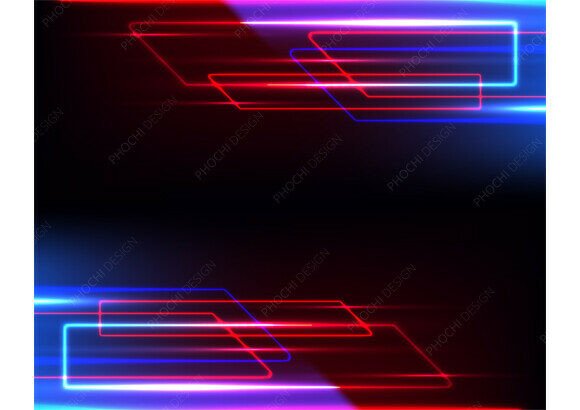
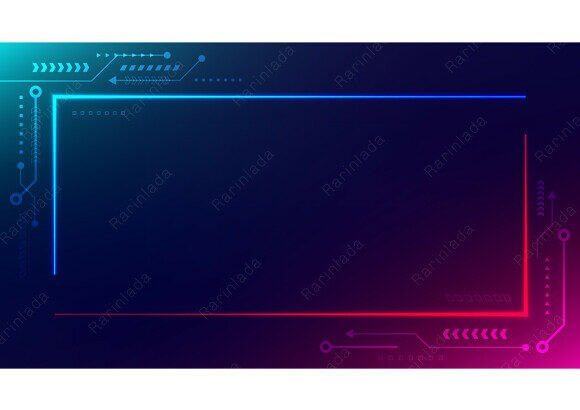
In the ever-evolving world of digital design, visual language often determines how a brand, game, or technology platform is perceived. Among the most striking and sought-after visual styles today is the futuristic tech cyber tech neon border aesthetic. This style combines glowing neon outlines, high-tech HUD (heads-up display) elements, and dark blue-purple gradients to create an immersive, forward-looking atmosphere. Designers, marketers, and content creators frequently turn to these assets to convey innovation, speed, and digital sophistication.
But what exactly are these assets? Why have they become so popular? And how can you use them effectively in your own projects? This article will walk you through everything you need to know about futuristic tech cyber tech neon border vector graphics — from their core purpose to their real-world applications — so you can confidently incorporate them into your work, whether you are a beginner or a seasoned designer.
What Are Futuristic Tech Cyber Tech Neon Border Assets?
At the most basic level, a futuristic tech cyber tech neon border design asset is a pre-made graphic element that features neon-like glowing borders, cyber-themed details, and HUD-style interface components. These assets are typically created as 100% vector graphics, meaning they are composed of mathematically defined lines and curves rather than pixels. This gives them several important advantages:
- Scalability without quality loss – They can be resized to fit anything from a small icon to a massive billboard without becoming pixelated or blurry.
- Full editability – Because they are vector-based, you can change colors, shapes, line thickness, and even add or remove elements using programs like Adobe Illustrator, Corel Draw, or other vector editing tools.
- Small file size – Vector files are typically much smaller than high-resolution raster images, making them easier to store, share, and load.
- Clean, professional output – The lines remain crisp and sharp at any resolution, which is essential for modern screens and print materials.
These assets often include futuristic frames, neon borders, glitch effects, circuit board motifs, data readouts, radar screens, targeting reticles, and other sci-fi-inspired elements. The background usually features a dark blue-purple gradient that enhances the neon glow and creates a deep, immersive space for text or other content. The result is a design that instantly communicates a high-tech, cyberpunk, or gaming-oriented identity.
The Purpose and Significance of Neon Border Design in Modern Visual Culture
Why has the neon border aesthetic become so dominant in technology and gaming visuals? The answer lies in how humans perceive light, color, and shape. Neon colors — especially electric blues, vibrant pinks, and glowing cyans — naturally draw the eye. When combined with sharp angular lines and dark backgrounds, they create a sense of depth, energy, and futuristic intrigue.
In the context of tech and gaming banners, this style serves several key purposes:
- Brand differentiation – A neon border design helps a product or service stand out in a crowded digital space. It signals that the brand is cutting-edge, innovative, and in tune with contemporary visual trends.
- Mood and atmosphere – The dark blue-purple gradient evokes the cosmos, deep space, or a high-tech control room. This sets a serious, advanced, and immersive tone that aligns well with gaming, cybersecurity, AI, VR, and software development industries.
- Visual hierarchy – HUD elements like frames, data panels, and targeting reticles naturally guide the viewer’s attention to specific areas of the design, making it easier to communicate key messages.
- Emotional engagement – The glowing neon effect triggers excitement and curiosity. It feels modern, fast, and almost alive — qualities that resonate with tech-savvy audiences.
Beyond aesthetics, these assets also carry functional value. For example, a futuristic neon border can clearly delineate content areas, separate different sections of a poster or webpage, or act as a decorative frame that elevates a simple message into something visually compelling.
Practical Applications: Where and How to Use These Vector Assets
The versatility of futuristic tech cyber tech neon border graphics means they can be used across a wide range of media and industries. Below are some of the most common and effective applications.
Gaming Banners and Streaming Overlays
Perhaps the most intuitive use is in the gaming sector. Whether you are creating a banner for a YouTube channel, a Twitch stream overlay, or a promotional poster for an eSports tournament, these assets provide an instant high-energy look. The HUD elements mimic the interfaces found in many popular games, creating a sense of familiarity and immersion for viewers. A neon border around a stream window or a game logo immediately signals that the content is professional, exciting, and up to date.
Technology Product Landing Pages
Tech companies — especially those in cybersecurity, AI development, cloud computing, or hardware manufacturing — can use these assets to frame product images, highlight features, or create call-to-action buttons. The cyber tech aesthetic reinforces the message that the company is advanced and trustworthy. For example, a neon border around a dashboard screenshot or a product mockup can make it feel like a glimpse into the future.
Event Posters and Social Media Graphics
Conferences, hackathons, product launches, and tech meetups often rely on eye-catching visuals to attract attendees. A poster designed with a dark blue-purple gradient background, a glowing neon frame, and embedded HUD elements can convey both professionalism and excitement. The copy space built into these designs makes it easy to add event details, dates, and logos without cluttering the composition.
Education and Training Materials
Believe it or not, these assets can also be used in educational contexts — especially when teaching topics related to technology, coding, or digital literacy. A well-designed worksheet, slide deck, or infographic that uses a subtle neon border can capture students’ attention and make technical subjects feel more engaging. The key is to use the style sparingly so that it enhances rather than distracts from the learning content.
Creative Portfolios and Personal Branding
Designers, developers, and digital artists who want to showcase their work in a futuristic context can use these vector borders as framing devices for their projects. A portfolio that uses consistent neon border elements creates a cohesive visual brand that feels polished and intentional.
Examples to Help You Understand the Practical Impact
Let’s walk through a few concrete examples to see how these assets work in real scenarios.
Example 1: Twitch Stream Overlay
Imagine a streamer named “CyberDash” who plays fast-paced racing games. Using a futuristic neon border around the webcam feed, plus HUD elements like a speedometer-style frame and data readouts for follower counts, instantly reinforces the high-speed, high-tech vibe of the channel. The dark blue-purple gradient background keeps the focus on the gameplay while making the overlay feel like part of the game itself.
Example 2: Cybersecurity Company Banner
A company that provides endpoint protection solutions wants a banner for their website hero section. They use a vector neon border with circuit board patterns and a glowing shield icon in the center. The dark gradient background suggests a secure, sophisticated environment. The result is a banner that communicates protection, vigilance, and advanced technology — all without a single word.
Example 3: Tech Conference Flyer
A local “Future of AI” conference uses a neon border flyer with HUD elements like scanning lines and data nodes. The copy space in the center is used for the event title, date, and speaker list. The flyer stands out on social media feeds and bulletin boards, attracting attendees who are interested in cutting-edge topics.
Clearing Up Common Misunderstandings
As with any popular design trend, there are some misconceptions about futuristic tech cyber tech neon border assets. Let’s address a few.
Misunderstanding 1: “These are only for gaming.”
While gaming is a primary use case, the style is equally effective for technology branding, event promotion, cybersecurity, app interfaces, and even educational materials. The key is to adapt the intensity of the neon effect to suit the context.
Misunderstanding 2: “Vector files are hard to edit.”
Actually, vector files are designed for editing. With programs like Adobe Illustrator or Corel Draw, you can change every aspect of the design — colors, line width, element positions, and more. The fully editable nature of these assets is one of their greatest strengths.
Misunderstanding 3: “Neon designs look dated.”
While neon styles have been around for decades, the modern cyber tech interpretation — with its clean vectors, dark gradients, and HUD elements — feels fresh and contemporary. The aesthetic has evolved significantly from the 80s retro wave, and it continues to be a staple in current design trends.
Misunderstanding 4: “You need advanced skills to use them.”
Not at all. Many assets come in ready-to-use formats like EPS and JPG. You can simply open the file, add your text, and export. Of course, editing the vector details requires some familiarity with vector software, but even beginners can easily resize, recolor, and arrange these elements after a short tutorial.
What You Get With a Typical Vector Asset Package
When you download a high-quality futuristic tech cyber tech neon border asset package, you typically receive files that are 100% vector and fully editable. Here is a breakdown of what that means in practical terms:
- EPS Version 10 – This is a widely compatible vector format that can be opened in Adobe Illustrator, Corel Draw, and other major vector editing programs. It preserves all layers and paths.
- JPG preview – A high-resolution raster preview that you can use for quick mockups or web display if you do not need editing capabilities.
- No watermark – The files are clean and ready for commercial or personal use without any distracting marks.
- Fully editable layers – You can modify each HUD element, neon border, and background gradient separately. This means you can change colors to match your brand, adjust the thickness of borders, or even remove certain elements entirely.
Additionally, good assets include copy space — areas of the design intentionally left open for text, logos, or other content. This makes them banner-ready right out of the box.
How to Choose the Right Asset for Your Project
With so many options available, it helps to have a selection framework. Consider the following factors when choosing a futuristic tech cyber tech neon border design:
- Style intensity – Some designs are subtle with thin neon lines; others are bold with thick glowing borders and multiple HUD elements. Pick one that matches the tone of your project.
- Color palette – While blue and purple are classic, some assets introduce cyan, magenta, or green accents. Ensure the colors align with your brand guidelines or the mood you want to create.
- Copy space availability – Look for layouts that provide enough room for your text or imagery without feeling crowded.
- File format – Confirm that the package includes formats compatible with your workflow (e.g., EPS for editing, JPG for quick use).
- Editability – Ensure the vector files are layered and not flattened, so you can customize every element.
Bringing It All Together: A Broader Understanding
The futuristic tech cyber tech neon border design style is more than just a passing trend. It represents a visual language that speaks to innovation, speed, and digital fluency. By incorporating these assets into your banners, overlays, posters, and interfaces, you can instantly elevate the perceived value of your content and connect with audiences who appreciate modern, tech-forward aesthetics.
Whether you are a gamer looking to upgrade your stream, a startup founder building a brand, or a designer seeking fresh inspiration, these vector graphics offer a powerful toolkit. Their scalability, editability, and professional finish make them a smart investment for anyone serious about creating high-impact visual content.
As you explore the possibilities, remember that the best designs balance flash with function. Use neon borders to frame and guide, not to overwhelm. Choose HUD elements that add meaning, not just decoration. And always keep your audience in mind — the goal is to communicate a message, not just to impress.
With the right assets and a clear vision, you can create banners and graphics that look like they belong in the next generation of technology and entertainment. The future is bright — and it glows in neon blue and purple.